
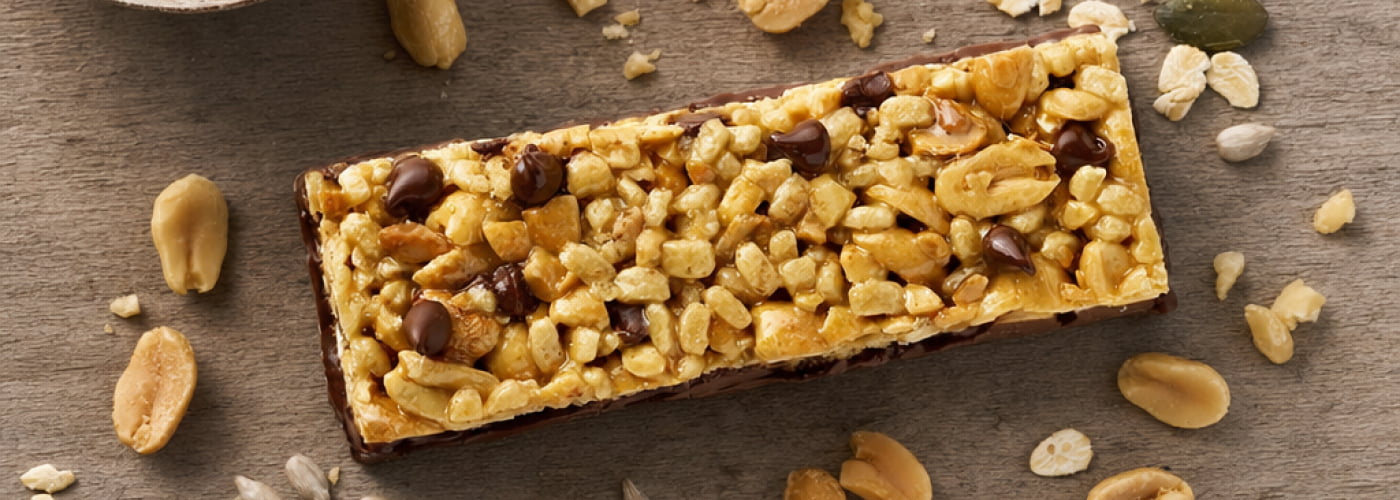
When you’re choosing a protein bar, it’s easy to focus on one thing: how many grams of protein it contains. But there’s another question that’s just as important – where does that protein come from?
The answer can vary from bar to bar. Some protein bars contain ingredients that have been refined to increase their protein content, while others also include naturally protein-rich ingredients like nuts and seeds. The ingredients used don’t just affect the amount of protein in a bar – they also influence its nutritional profile, texture and taste.
At Nature Valley, we believe great-tasting snacks start with ingredients you know and love. That’s why Nature Valley Protein Bars are made with nuts as the number one ingredient, alongside isolated soy protein (plant-based protein), which helps to provide between 7g and 10g of protein depending on the bar and flavour.
We want to make snacking simple. In this guide, we’ll explain where the protein in snack bars comes from, explore the most common plant-based protein sources, uncover what makes a protein high quality, and show how understanding the ingredients behind your snack can help you make more informed choices.
What is Protein?
Protein is one of the three macronutrients that provide energy, supplying 4kcal per gram (Bell Institute). It’s an important part of a healthy, balanced diet and helps support the maintenance and growth of muscles.
Protein is made up of amino acids, often referred to as the “building blocks of life”. Your body can make some amino acids, but nine are essential, meaning they must come from your diet. Eating a varied range of protein-rich foods – including meat, fish, eggs, dairy and plant-based proteins – can help ensure you get all the essential amino acids your body needs (British Heart Foundation).
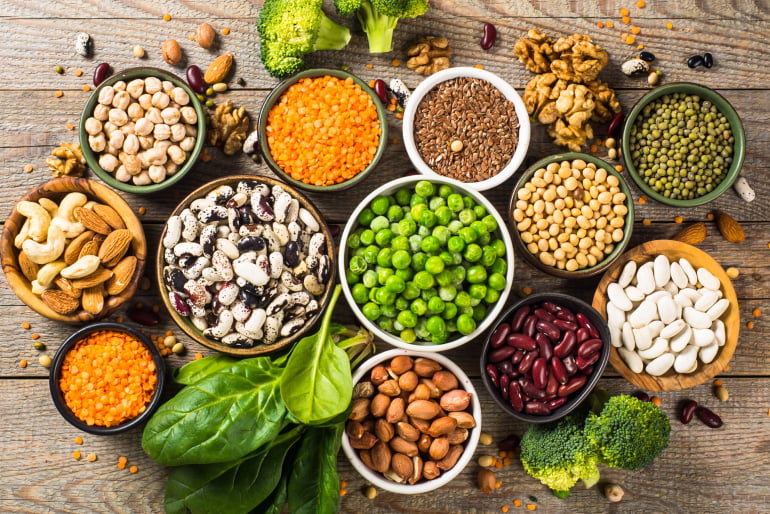
What is Plant-Based Protein?
Plant-based protein comes from foods such as soybeans, peanuts, beans, lentils, chickpeas, nuts, seeds and whole grains. As well as providing protein, many of these foods naturally contain fibre, healthy fats, vitamins and minerals, making them a nutritious choice as part of a balanced diet (British Nutrition Foundation).
Where Does the Protein in Snack Bars Come From?
The protein in a snack bar depends on the ingredients used to make it. Some bars use dairy ingredients, while others rely on plant-based protein sources or a combination of both.
Nature Valley Protein Bars are made nuts as the number one ingredient and isolated soy protein, providing between 7 to 10g of protein per bar. These carefully selected plant-based ingredients work together to deliver protein alongside the great taste and crunchy texture Nature Valley is known for.
While recipes vary from brand to brand, some of the most common plant-based protein sources used in snack bars include:
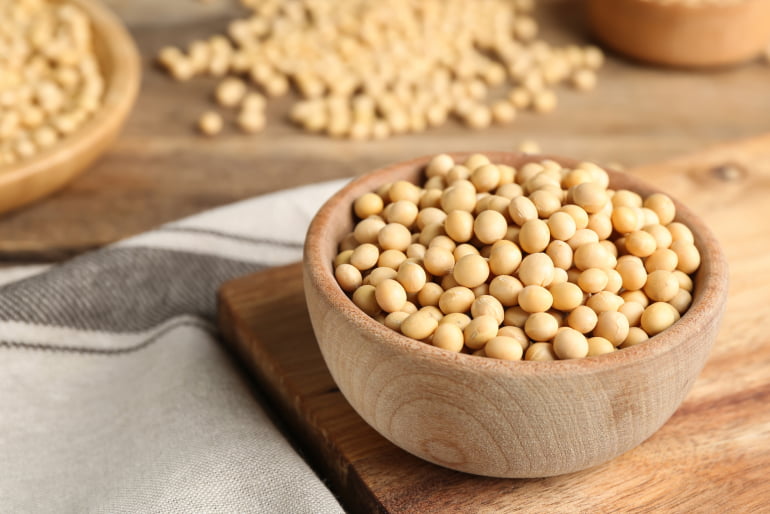
- Soy Protein: is one of the best-known plant-based protein sources because it’s naturally rich in protein and is a complete protein, containing all nine essential amino acids. In snack bars, soy is often used as isolated soy protein, which is made from soybeans and naturally contains nutrients including iron, zinc and B vitamins (NIH).
- Peanuts: often thought of as a nut, peanuts are actually a legume. They’re naturally rich in plant-based protein and also provide healthy unsaturated fats and fibre. Because they’re a whole food ingredient, roasted peanuts contribute naturally occurring protein alongside the crunchy texture and roasted flavour many people enjoy in snack bars.
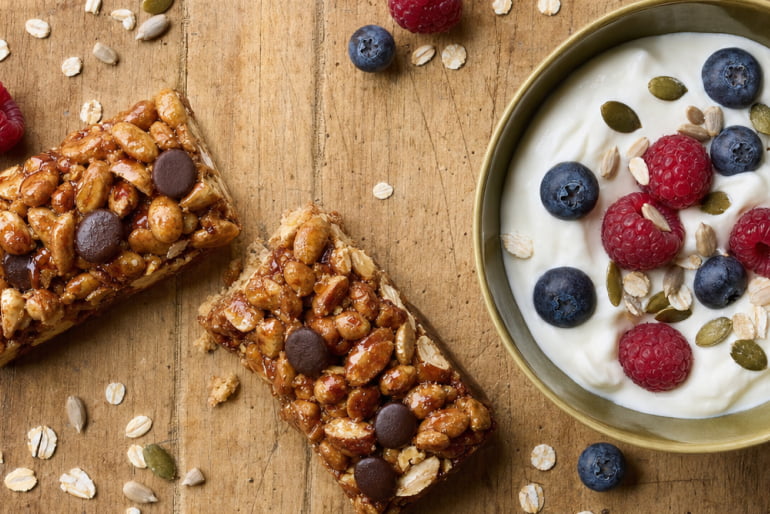
- Seeds: such as pumpkin and sunflower seeds naturally contain protein, healthy fats and fibre. They’re often included in snack bars to add texture and boost their nutritional profile.
What Is a Complete Protein?
A complete protein contains all nine essential amino acids that your body needs from food.
Many animal-based foods naturally contain complete proteins, but some plant foods do too. Soy is one of the best-known examples of a complete plant protein (British Heart Foundation).
That’s why Nature Valley include isolated soy protein in our protein bars – by combining these carefully selected plant-based ingredients, our protein bars provide over 10g of protein per bar, while using recognisable ingredients you know and love.
What Makes a Protein High Quality?
While the nutrition label tells you how much protein a product contains, it doesn’t tell the whole story. Nutrition experts also consider protein quality, which looks at:
- The amino acids the protein contains
- Whether it provides all nine essential amino acids
- How easily the body can digest and use it
In simple terms, protein quality is about both how much protein a food contains and how effectively your body can use it.
Choosing a Protein Bar
When choosing a protein bar, it’s worth looking beyond the amount of protein on the front of the pack. Taking a closer look at the ingredients can help you find a bar that suits your needs and preferences.
Here are a few things to consider:
- Where the protein comes from – Look for protein from quality ingredients, such as soy, nuts or seeds.
- Recognisable ingredients – Many people prefer bars made with ingredients they know, such as roasted peanuts, oats and seeds.
- Fibre – Fibre can help make a snack more satisfying.
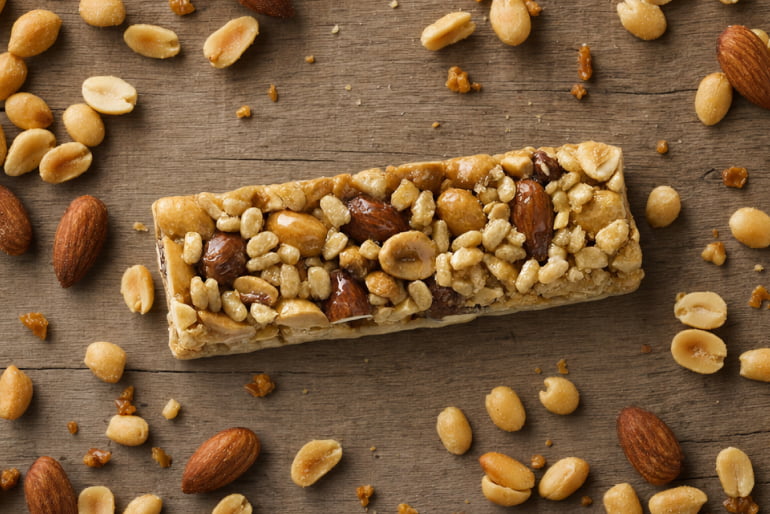
Nature Valley Protein Bars combine roasted peanuts with isolated soy protein to provide over 10g of protein per bar. They’re also made with no artificial colours, no artificial flavours and no preservatives, making them a delicious protein snack made with carefully selected ingredients.
FAQs
What are the different protein sources in snack bars?
Protein bars can contain protein from a range of ingredients, including soy, peanuts, seeds, whole grains and dairy proteins. Many combine more than one source of protein.
What is isolated soy protein?
Isolated soy protein is a concentrated protein ingredient made from soybeans. It’s around 90% protein by weight and is widely used in high-protein foods (WebMD).
Is soy a complete protein?
Yes. Soy naturally contains all nine essential amino acids, making it a complete protein.
Are peanuts a good source of protein?
Yes. Peanuts are naturally rich in plant-based protein and also provide healthy unsaturated fats, fibre and other nutrients.
What makes a protein source high quality?
Protein quality considers the amino acid profile of a protein and how easily it can be digested and used – not simply the total amount of protein it contains.