RSPB Loch Garten
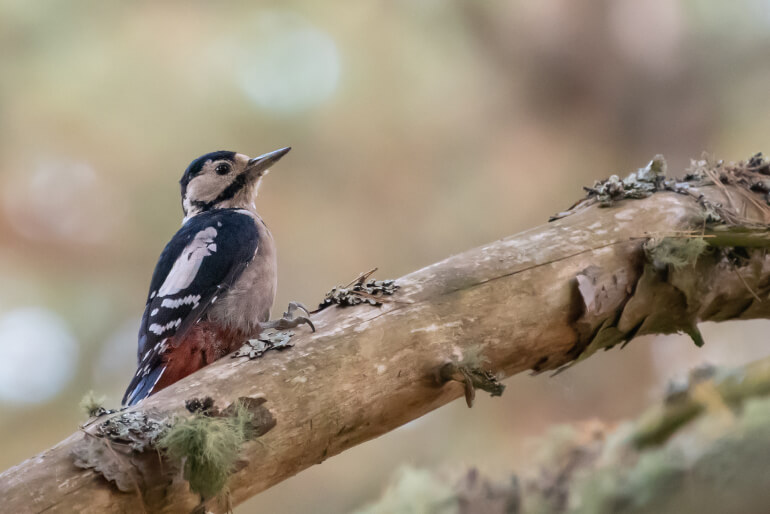
RSPB Loch Garten is perfect for a spring or summer visit, this spot offers a chance to see osprey, crested tits, and woodpeckers nesting and breeding in their natural habitat. If you’re more of a four-legged fan, the loch is also home to red squirrels and bank voles. It’s also one of the best places to catch a glimpse of Scotland’s only native lizard: the common lizard.
Montrose Basin
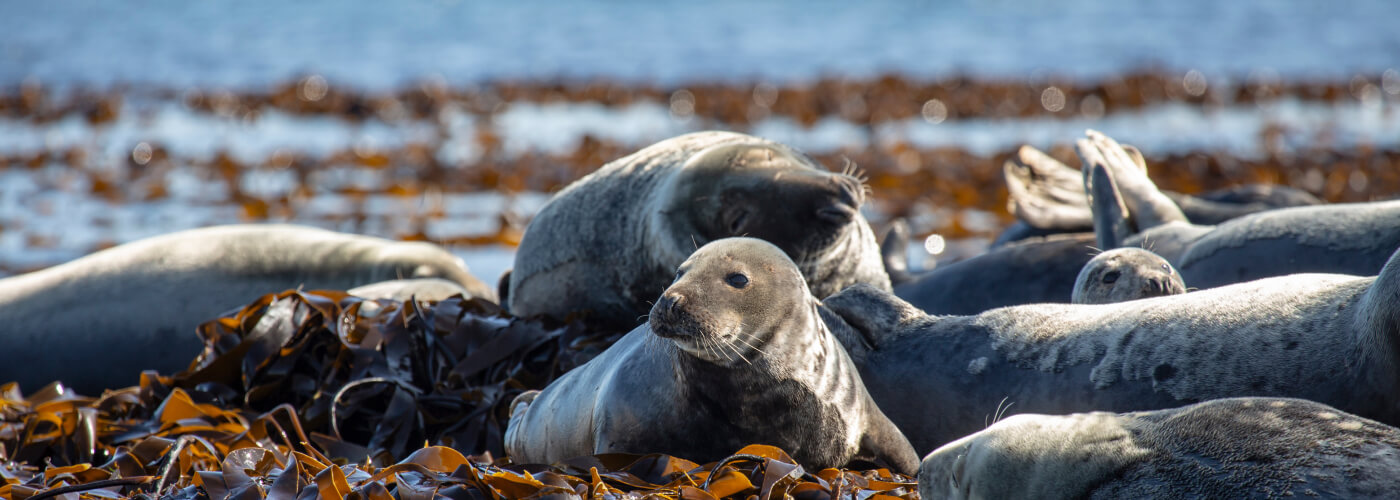
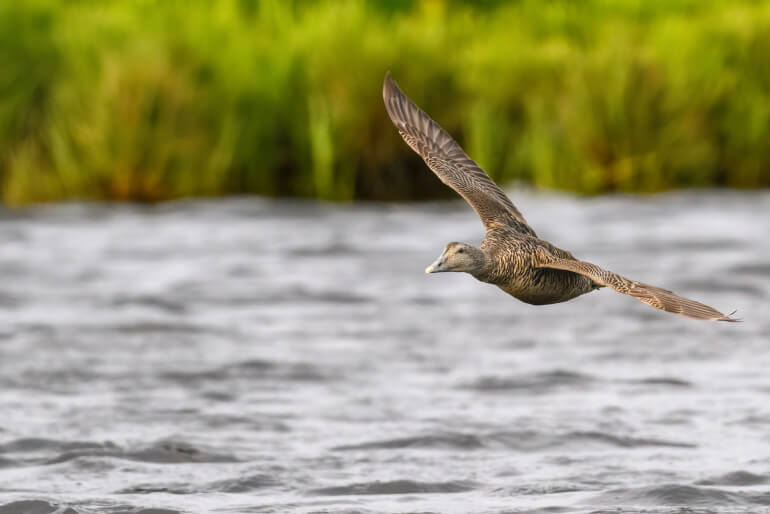
Set in an enclosed estuary of the River South Esk, Montrose Basin is a 750-hectare haven for feeding and roosting birds. With over 100,000 migratory birds visiting during autumn and winter, this is the best chance to spot a variety of species. Seals can also be spotted year-round, making the estuary a great spot for sightseeing no matter the season. Don’t forget to grab a Nature Valley bar for a tasty, on-the-go snack while you explore.
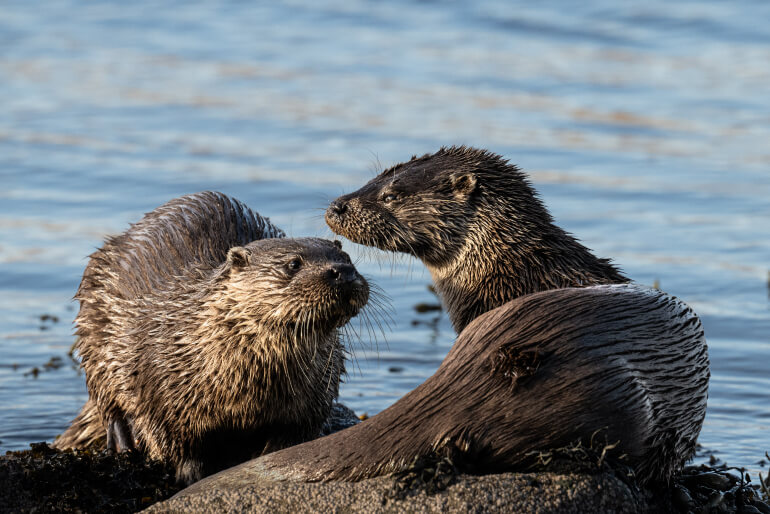
Isle of Mull Wildlife Reserve
Known as Eagledom for its high concentration of white-tailed and golden eagles, the Isle of Mull is also a fantastic spot for otter sightings. With around 350-400 otters calling the island home, covering each square mile of coast, it’s one of the best places to catch a glimpse of these playful creatures. Best of all, they can be spotted year-round, making Mull a great choice to visit at any time.
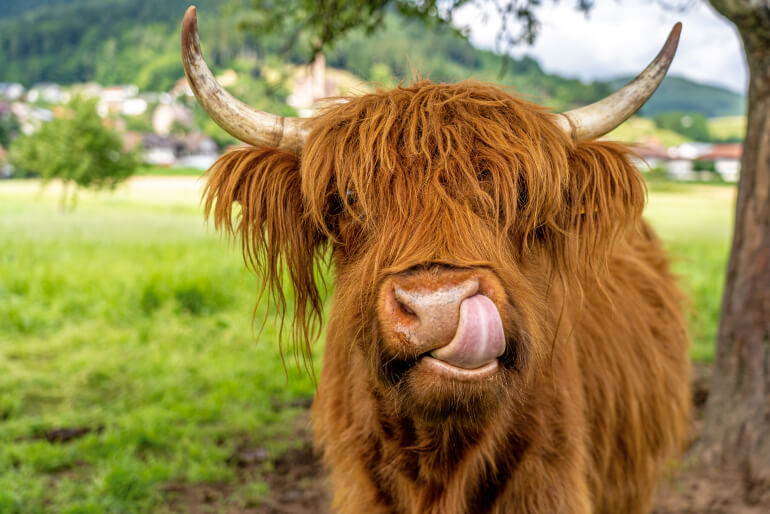
Muiravonside Country Park
Looking for a highland cow adventure? Muiravonside is the perfect spot. Home to Kyla, Haggis, Beth, Mona, and Caity, these friendly Highland cows are sure to steal your heart. The park also has a variety of farm animals, from horses and pigs to alpacas and red deer. Each animal has its own name, making it a favourite destination for animal lovers. Don’t forget to pack your favourite Nature Valley snacks for a day full of fun.
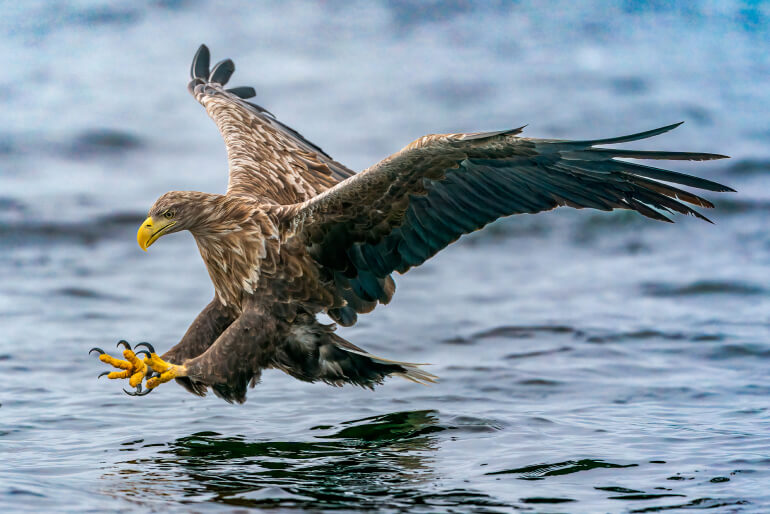
Loch Lomond and the Trossachs National Park
No wildlife guide to Scotland is complete without the Trossachs. This stunning national park, covering 2000 square miles, is home to a wealth of unique Scottish species. Keep an eye out for pine martens, red deer, and red squirrels roaming the land. Look up and you might spot Golden eagles, peregrine falcons, and red kites soaring above. For the truly eagle-eyed, there’s even a chance to spot a wild wallaby on Inchconnachan.
FAQs
What to bring to a wildlife park in Scotland?
When visiting a wildlife park, you should make sure you stay hydrated, are not hungry, and have a way to remember the day. So, bring enough water for your visit, grab a sandwich and a Nature Valley snack bar, and a camera or phone to remember your visit.
What’s the best time of year to visit a wildlife park?
This depends on which wildlife reserve you’re visiting. Seasonality can affect what wildlife you’ll see, especially for migratory birds. It’s best to check with the official website of the reserve you’re visiting to know if you’ll get to see the animal you’re looking for.
What wildlife is in Scotland?
Scotland has plenty of native wildlife for you to enjoy, including the red squirrel, the common lizard, peregrine falcons, otters, and many more species. On special occasions, you can even see bottle-nosed dolphins swimming in the quays.
Can I wild camp in a nature reserve?
Rules around wild camping vary depending on the location, but due to Scotland’s right-to-roam, most reserves do allow wild camping. In the Trossachs, you can wild camp, but there are specific byelaws you’ll need to follow. The same goes for the Isle of Mull, however, again, there are byelaws you’ll need to follow before you set up camp. And, as always, make sure you’re considerate of nature and your surroundings while there.
What animals are endangered in Scotland?
There are a few endangered species in Scotland, with many of them protected within wildlife reserves or zoos. Scottish wildcats, known as the “highland tiger” are one such animal, as well as the distinctive red squirrel. For marine life, harbour seals and bottlenose dolphins are both facing troubling conditions. By visiting these wildlife reserves, you’re supporting the conservation efforts for these animals.